Facelift in Denver, CO

At Flourish Surgical Arts, we offer rejuvenating facelifts to help women remove sagging skin and restore their beauty. With age, the face changes its shape, and the skin becomes drier and less elastic. However, thanks to the advancements in cosmetic surgery, it is now possible to address these issues. Our board-certified surgeon, Dr. John R. Nesiba, completed more than 1,000 facial procedures, giving patients a youthful appearance and restoring their contours. Our mission is to help every individual feel confident and attractive.
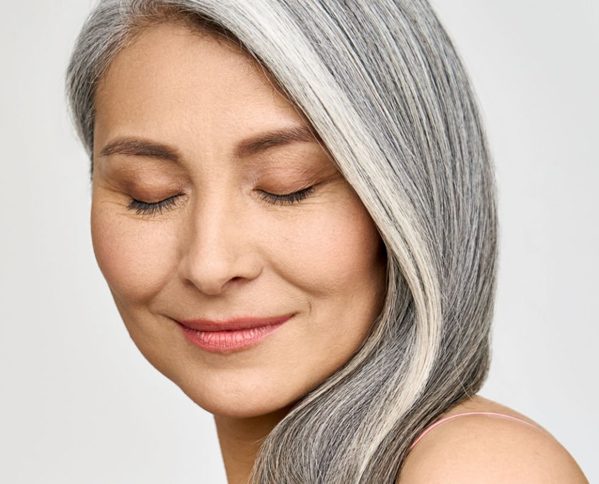
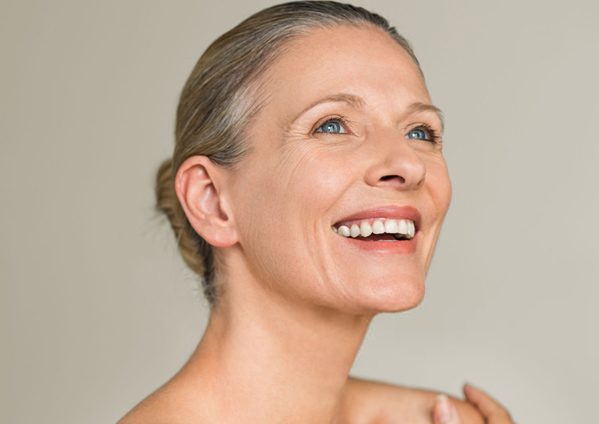
Mature woman with gray hair smiling with eyes closed, showcasing facial skin quality

What Is a Facelift?

A facelift, or rhytidectomy, is a cosmetic surgery that removes excess fat, achieves a lifting effect, and redistributes the excess skin. This rejuvenating procedure helps to deal with sagging soft tissue and deep wrinkles. The purpose of a facelift is not only to improve the shape and appearance but also to restore deep anatomical structures. It allows patients to look 10-12 years younger. 
During a classic facelift procedure, Dr. Nesiba separates the skin from underlying tissues, uses fat grafting, repositions soft tissues, and changes the contours. The extent of the operation is determined individually for each patient. To achieve comprehensive results, we often perform facelifts in combination with other cosmetic procedures, such as blepharoplasty (eyelid surgery) and brow lifts.

Types of Facelift 

Dr. Nesiba uses several facelift techniques that are designed to combat the effects of aging. The main differences between them are in the location of incisions and the extent of the procedure. Each type of facelift has its own benefits and is selected based on the patient’s needs and desired results.
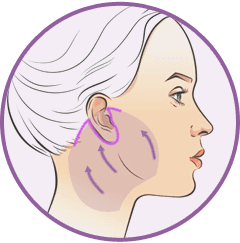
Illustration of traditional facelift incision and treatment area marked on woman's profile

Traditional Facelift

This facial surgery targets the neck, lower face, and mid-face. By making incisions around the ears that extend into the hairline, Dr. Nesiba removes loose skin and tightens the underlying tissues to achieve a youthful contour. Traditional facelift is ideal for patients with significant sagging and deep wrinkles.
Procedure type icon
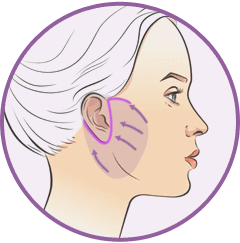
Illustration of mini-facelift incision and treatment area marked on woman's profile

Mini Facelift

The mini facelift procedure is less invasive and targets the lower face. It involves shorter incisions around the ears and is appropriate for younger people or those with minor to moderate sagging. A mini facelift can correct loose skin and jowls without extensive intervention, so recovery usually takes less time.
Procedure type icon
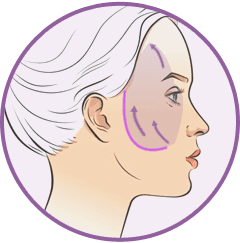
Diagram showing side profile of mid-facelift area on woman's face

Mid-Facelift

This type of surgery focuses on enhancing the cheeks and under-eye area. Our facelift surgeon makes incisions inside the mouth or along the hairline to enable the lifting and tightening of tissues. Fat might also be redistributed or added to these areas for a smoother look. This surgical technique best suits patients who want to address under-eye hollows and droopy skin in the midface area.
Procedure type icon

The Facelift Procedure Explained

Initial Consultation and Testing

Procedure step icon
Every facelift procedure is personalized to fit individual needs. When meeting with patients, Dr. Nesiba talks about what they want from surgery and analyzes their medical history, the drugs they are currently taking, and their lifestyle. He also discusses different facial rejuvenation procedures, examines the candidate’s face and neck, and takes photographs for before-and-after comparison. 
Procedure step icon
Next, patients undergo some lab tests and a medical evaluation, quit smoking, adjust medications if necessary, and avoid taking aspirin or certain anti-inflammatory drugs as they can increase bleeding.
Woman in profile view smiling, looking upward
Woman with eyes closed, smiling while touching her cheek with both hands

The Surgery

Procedure step icon
Anesthesia
Facelift surgery is performed under general anesthesia. Dr. Nesiba will recommend the most suitable option based on a patient’s procedure and preferences.
Procedure step icon
Incisions
The location and size of the incisions vary depending on the type of facelift. Common sites include the hairline at the temples, around the ears, the lower scalp, under the chin, and inside the mouth.
Procedure step icon
Reshaping
The operation involves repositioning or removing facial skin and fat and tightening facial muscles. The exact steps depend on the type of facelift a patient is receiving. 
Procedure step icon
Closing the Incisions
Once everything is finished, Dr. Nesiba uses stitches (either dissolvable or non-dissolvable) or skin glue to close the incisions. He makes sure that the result is seamless and natural-looking.

Add-On Procedures

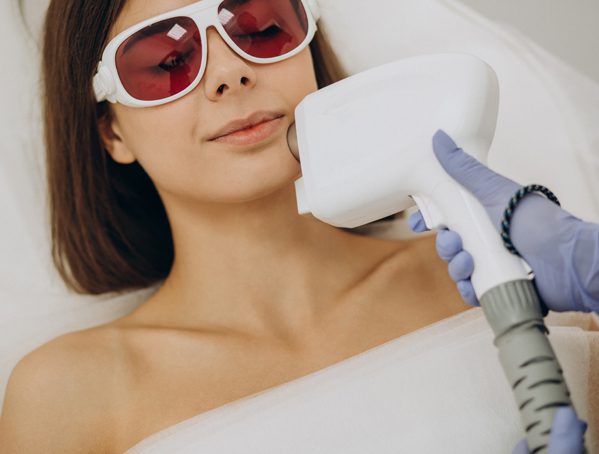
Patient wearing protective eyewear receives laser treatment to the neck and jawline

Laser Skin Resurfacing

Many patients decide to combine laser skin resurfacing with their facelift procedure. Laser technology directs focused beams of light onto the skin, removing damaged outer layers and promoting new collagen growth. This procedure tightens, smooths, and evens out skin tone and texture beyond what a facelift can accomplish alone. The combined treatment provides enhanced rejuvenation and longer-lasting results. Therefore, laser resurfacing can be an effective add-on to maximize facelift outcomes.
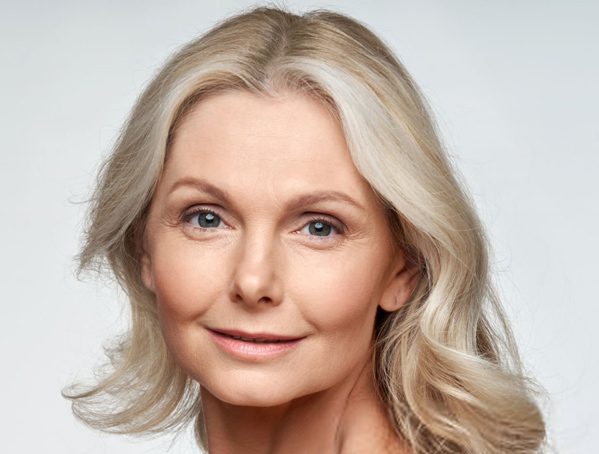
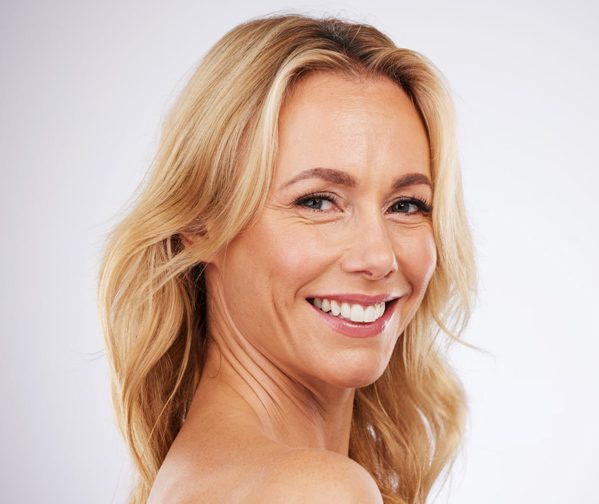
Woman with blonde shoulder-length hair smiling directly at camera

Blepharoplasty
(Eyelid Surgery)

Blepharoplasty involves removing excess skin, muscle, and fat deposits from the upper and lower eyelids. This may rejuvenate tired-looking eyes obscured by drooping upper lids or under-eye bags. When combined with a facelift, blepharoplasty treats additional signs of aging. As a result, patients can enhance their facelift outcomes and achieve a more youthful appearance.

Recovery After a Facelift

Woman with blonde wavy hair smiling, shown in three-quarter view

Post-Op Recovery

After a facelift, a compression bandage is placed on the patient’s face to reduce swelling and help the tissues heal. Dr. Nesiba may put tubes under the skin to get rid of any extra fluid. If the patient experiences any pain, our surgeon prescribes pain relievers. 
The patient’s stay in our comfortable clinic is paramount during the first days after the facelift procedure. Qualified medical staff closely monitor vital signs and the healing progress. It is normal to experience bruising and swelling during this time. To ensure a smooth recovery, the patient is advised to keep the head elevated above the body level as much as possible.
After one week, the bandages are removed so that our surgeon can assess the results and take away the stitches. The patient is allowed to do some gentle exercise and may slowly return to normal activities. Continuing to sleep with an elevated head helps reduce symptoms more quickly.
After two weeks, the swelling from the facelift begins to decrease. Patients can go back to work as long as it is not physically demanding. Their facial sensitivity returns.
During the entire healing process, which may take 2-3 months, it is essential not to smoke. Using sunscreen can help to protect the healing skin. In the early stages of recovery, it is best not to have close contact with any animals to avoid getting an infection. Flights and long trips should also be postponed.

Candidates for a Facelift

A facelift yields the best outcomes for individuals who possess certain qualities. Here are the main factors indicating that a patient is a good candidate:

Benefits of a Facelift

A facelift has many advantages, and they can be truly life-changing for many patients. Here is a list of benefits they may receive:
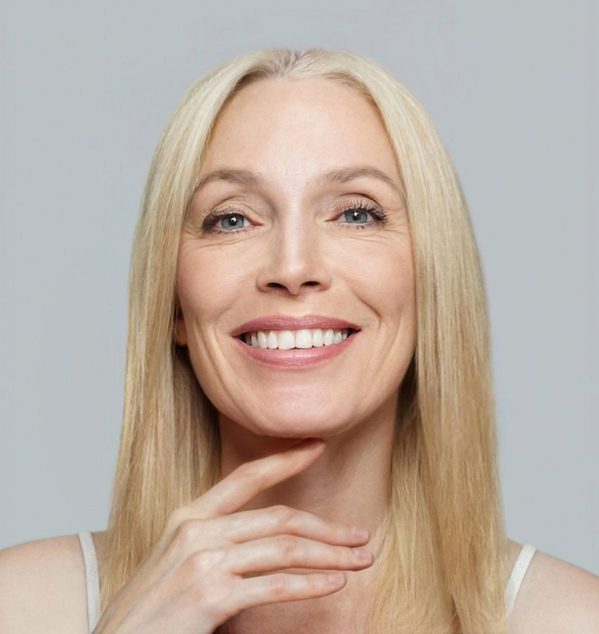
Woman with blonde hair smiling broadly, hand near chin

No sagging skin

This procedure tightens loose skin on the face and neck.
Folds around the nose and mouth can be made less pronounced.
Repositioning fat or tissues gives natural-looking fullness to cheeks that might have lost volume.
This facial cosmetic surgery removes jowls and excess fat for a more defined profile.
Patients often report smoother, firmer skin after the procedure.
A facelift enhances overall appearance, increasing self-esteem and confidence.
This procedure offers stable results. Many patients enjoy their refreshed look for many years.
These benefits make a facelift an attractive option for those who want complete facial rejuvenation.

Cost of a Facelift in Denver 

The cost of facelift surgery in Denver typically ranges between $5,000 and $15,000. Various factors determine the price of each operation, such as how experienced the surgeon is, how complicated the procedure will be, and which techniques they plan to use. Additional expenses may include anesthesia, operating room charges, and post-operative care. Our Denver facelift patients can schedule a meeting with Dr. Nesiba to discuss all the details and get an accurate cost estimate. We offer flexible financing to accommodate each person’s budget.

Facelift Surgery at Our Denver Surgery Center

Your facelift happens at one Denver address, from the consultation to the day your stitches come out: 3955 E Exposition Ave, Suite 520B, Denver, CO 80209. Facelifts are performed under general anesthesia in the practice’s own surgery center, close to Cherry Creek. If you are flying in, plan to stay nearby until your one-week visit, since flying soon after a facelift is best postponed. The building has wheelchair-accessible parking and an accessible entrance.

Getting here from across Colorado

  • Cherry Creek Shopping Center: about 5 minutes
  • Denver International Airport: about 35 minutes
  • Boulder: about 45 minutes
  • Colorado Springs: about 1 hour
  • Fort Collins: about 1 hour 15 minutes
  • Breckenridge: about 1 hour 40 minutes
  • Vail: about 1 hour 50 minutes

Times are typical drives without heavy traffic.

Your surgeon

Dr. John R. Nesiba is a fellowship-trained, triple board-certified cosmetic surgeon. His fellowship training included over 1,000 cosmetic surgical procedures, and the American Board of Cosmetic Surgery recognized him for the highest scores on both its 2018 written and oral board examinations.

His six years of maxillofacial and general surgery training at Detroit Medical Center included facial reconstruction, which gives him a detailed understanding of facial anatomy. Read more about Dr. Nesiba or see real results in the before-and-after gallery.

Facelift FAQs
Facelift vs Non-Surgical Skin Tightening: Pros and Cons Banner

What is the average cost of a complete facelift in Denver?

On average, a facelift in Denver costs between $5,000 and $15,000. A mini facelift usually falls toward the lower end of that range, and adding a neck lift or eyelid surgery raises the total. Monthly payment plans are available through CareCredit and Alphaeon Credit; see the financing page for details. Book a consultation with Dr. Nesiba for a quote based on your own goals.

Yes. A mini facelift uses shorter incisions to lift the lower face and jowls when skin laxity is mild. It suits patients who want a smaller change with a shorter recovery. If the neck has loose skin or banding, a traditional facelift or a facelift combined with a neck lift usually gives a better result.

A facelift does not stop aging, but most patients continue to look younger than they would have without surgery for many years. How long the result holds depends on skin quality, sun exposure, smoking and weight changes. Techniques that lift the deeper tissue layers, not just the skin, tend to hold longer, and Dr. Nesiba will explain which approach fits your face.

Some practices offer an awake facelift under local anesthesia, which mainly suits small lifts. At Flourish Surgical Arts, facelifts are performed under general anesthesia in the practice’s own surgery center, which keeps you comfortable during a full lift of the face and neck. If you want less downtime, ask about a mini facelift at your consultation.

Bandages and stitches usually come out at about one week. Most patients go back to work that is not physical after two weeks, and the face continues to settle over two to three months. Avoid smoking and postpone flights while you heal.

Yes. Many patients pair a facelift with a brow lift or eyelid surgery so the upper and lower face match. Laser resurfacing can improve skin texture once you have healed. Combining procedures means one anesthesia and one recovery.

Good candidates are non-smokers in good health who are bothered by sagging jowls or loose skin along the jaw and neck. Realistic expectations matter too. Dr. Nesiba examines your skin and facial structure at your consultation and tells you honestly whether a full or mini facelift fits best.

Flourish Surgical Arts Is An Ideal Choice for a Facelift
What Makes Flourish Surgical Arts Different From Others? Banner
Our triple board-certified surgeon, Dr. Nesiba, provides exceptional care and achieves excellent results for every person. We have the latest equipment and a friendly staff who prioritize patient well-being above all else. Every facelift surgery Dr. Nesiba performs is an art project, and he consistently exceeds all expectations and raises the bar of what this operation can achieve.
Ready to Enhance
Your Natural Beauty?
Ready to Enhance
Your Natural Beauty?