720-765-7214
The Brazilian butt lift has become one of the most sought-after cosmetic procedures for achieving a curvier silhouette, but it also carries unique risks that require careful consideration. To maximize safety, patients must be appropriate candidates with sufficient body fat for transfer, work with a qualified surgeon who follows proper fat injection techniques and depth guidelines, and commit to careful post-operative care, including avoiding direct pressure on the buttocks for several weeks. Understanding these critical factors – from candidacy requirements to surgical technique limitations – can significantly reduce complications and help you achieve the enhanced, natural-looking results you desire.
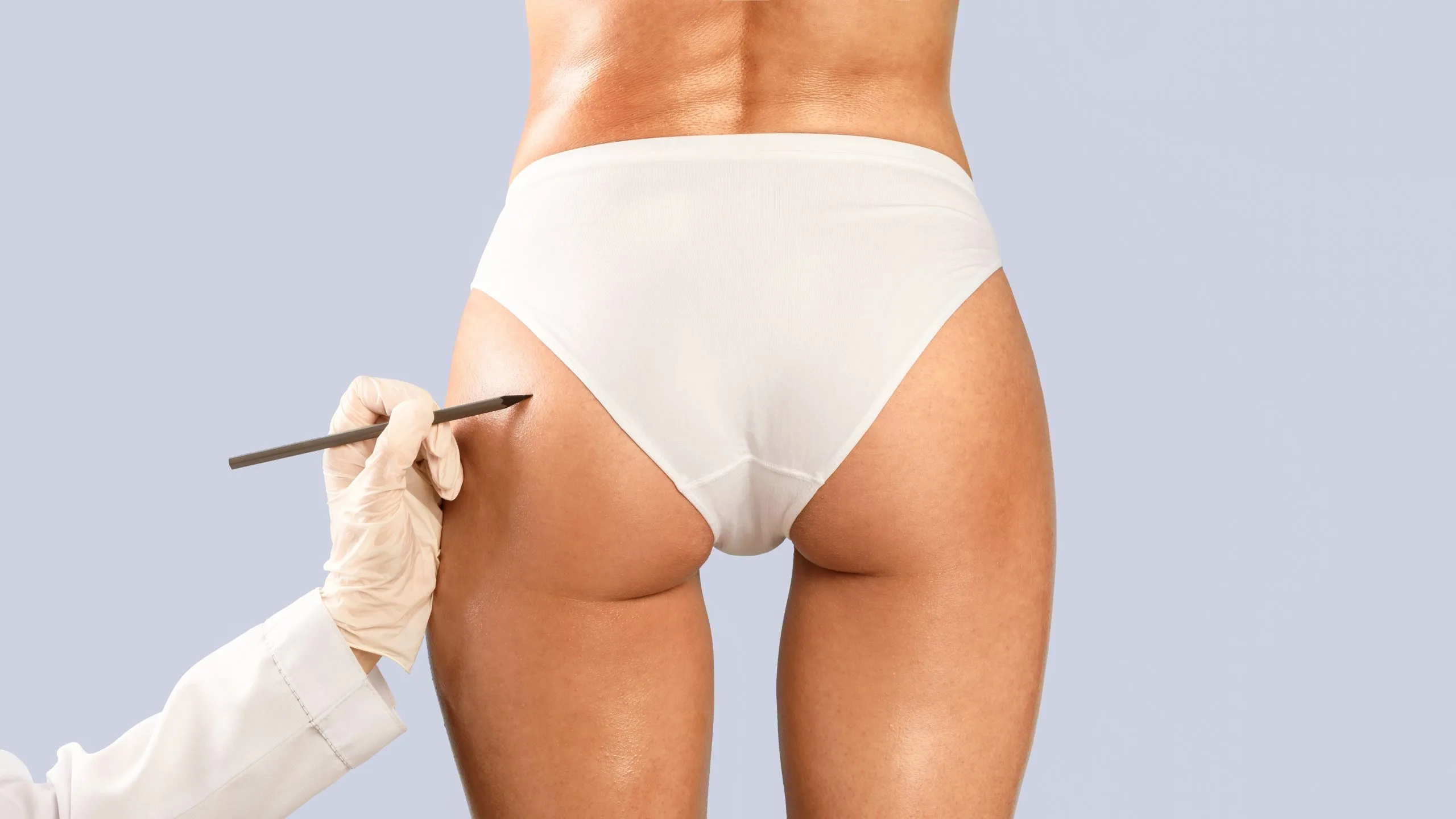
Not everyone who wants a fuller backside is an appropriate candidate for this procedure.
The ideal patient has adequate fat reserves in donor areas, such as the abdomen, flanks, thighs, or back, as the BBL uses your own fat rather than artificial materials. If you’re very thin with minimal body fat, you may not have enough tissue to harvest for meaningful results.
Beyond physical requirements, good candidates should be in overall good health, maintain a stable weight, and have realistic expectations about outcomes. Medical conditions that impair healing, such as uncontrolled diabetes or autoimmune disorders, may disqualify you from the procedure. Additionally, smoking significantly increases complication risks, and most surgeons require patients to quit several weeks before and after surgery.
Mental and emotional readiness also matters. The recovery period requires dedication to specific positioning restrictions and lifestyle modifications for several weeks. Candidates should understand both the benefits and limitations of the procedure, including the fact that not all transferred fat will survive permanently – typically 60-80% of transferred fat cells establish a blood supply and remain long-term.
BBL surgery works by harvesting fat through liposuction from areas with excess deposits, purifying that fat, and then strategically injecting it into the buttocks to create volume and shape. This approach offers the dual benefit of contouring donor areas while enhancing the backside. The results look and feel natural since they use your own tissue, and there’s no risk of rejection since no foreign material is introduced.
The procedure typically takes two to four hours under general anesthesia. Surgeons carefully inject small amounts of fat at multiple depths and locations to ensure even distribution and maximize fat cell survival. Proper technique requires placing fat in the subcutaneous layer and muscle – never into major blood vessels, which is the primary cause of fatal BBL complications.
One of the most critical safety factors involves respecting biological limits on how much fat can be safely transferred. Surgeons must balance aesthetic goals with patient safety, as overfilling the buttocks increases complication risks.
Key volume limitations include:
Individual tolerance varies: The safe amount depends on your buttock tissue’s capacity, existing muscle mass, skin elasticity, and overall anatomy
Blood supply constraints: Transferred fat needs adequate blood flow to survive; excessive volume overwhelms the area’s ability to support new cells
Staged procedures may be necessary: Patients seeking dramatic size increases might need multiple surgeries spaced months apart, rather than attempting excessive volume in one session
Quality over quantity: Experienced surgeons prioritize proper fat placement depth and distribution over simply injecting large volumes
The single most important safety decision you’ll make is selecting a surgeon. The skills and techniques of your surgeon directly correlate with your outcome and safety. When you schedule an appointment with our triple-board-certified cosmetic surgeon, you’re choosing someone who has completed rigorous training and maintains the highest standards in the field.
Working with a board-certified surgeon ensures your doctor has completed accredited residency training, passed comprehensive examinations, and continues ongoing education in the latest safety protocols. Board certification by the American Board of Plastic Surgery or the American Board of Cosmetic Surgery demonstrates a commitment to excellence and patient safety that should never be compromised.
What to look for in a qualified surgeon:
Board certification by the American Board of Plastic Surgery or equivalent credentialing
Extensive experience performing BBL procedures (ask how many they’ve performed)
Hospital privileges to perform the procedure (hospitals vet surgeons carefully)
An accredited surgical facility with proper equipment and emergency protocols
Before-and-after photos demonstrating consistent, natural-looking results
Willingness to discuss risks honestly and answer all your questions
Knowledge of the latest safety guidelines from organizations like the Aesthetic Surgery Education and Research Foundation
Don’t choose a surgeon based primarily on price. Discount BBL procedures often cut corners on safety measures, use less experienced surgeons, or perform surgery in non-accredited facilities. These cost savings aren’t worth risking your life or health.
Even with a skilled surgeon and proper surgical technique, your recovery behavior significantly impacts both results and safety. The post-operative period requires strict adherence to your surgeon’s instructions.
The most critical restriction involves avoiding direct pressure on your buttocks for at least two weeks (many surgeons recommend 6-8 weeks for optimal results). This means no sitting directly on your backside, no lying on your back, and using special pillows that transfer weight to your thighs when sitting is absolutely necessary. Pressure can kill newly transferred fat cells and compromise results.
You’ll need to wear compression garments on liposuction sites to reduce swelling and support healing. Most patients can return to light activities within two weeks, but should avoid strenuous exercise for 6-8 weeks. Sleeping on your stomach or side during recovery helps protect your results.
Watch for warning signs of complications:
Excessive pain, swelling, or bleeding
Fever or signs of infection
Shortness of breath or chest pain (potential fat embolism)
Unusual firmness, lumps, or asymmetry
Drainage with foul odor
Contact your surgeon immediately if you experience any concerning symptoms. Early intervention can prevent minor issues from becoming serious complications.
For patients without sufficient fat for transfer, butt implants offer an alternative for buttock enhancement. These solid silicone implants are surgically placed either within or above the gluteal muscle through incisions in the buttock crease. While implants provide predictable, permanent volume, they carry risks, including implant shifting, infection, capsular contracture, and the potential need for replacement over time.
Implants also create a different aesthetic than fat transfer – they may feel firmer and look less natural, especially in thin patients. The recovery can be more painful since muscle tissue is involved, and there’s always a small risk that your body may reject the foreign material. The choice between fat transfer and implants depends on your anatomy, goals, and medical history.
Dr. Nesiba brings extensive expertise in Brazilian butt lift surgery and gluteal fat grafting procedures, utilizing the safest techniques available in cosmetic surgery today. Understanding that buttock augmentation carries its own risks, Dr. Nesiba employs the subcutaneous-only injection method to ensure excess fat injected during your procedure is placed at the proper depth, avoiding dangerous intramuscular or intravascular placement. This approach allows the procedure to be performed safely while maximizing both aesthetic results and patient well-being.
Our past patients consistently praise Dr. Nesiba’s meticulous attention to detail, comprehensive pre-operative consultations, and commitment to transparent communication throughout the entire surgical journey. During your consultation, you’ll receive a thorough evaluation to determine your candidacy, discuss your aesthetic goals, review before-and-after photos, and develop a personalized surgical plan tailored to your unique anatomy and desired outcome.
The journey to achieving a safe Brazilian butt lift requires careful consideration of associated risk factors and commitment to working with qualified professionals who prioritize your well-being. While the procedure has gained tremendous popularity – partly due to celebrities like Kim Kardashian popularizing the curvier aesthetic – it’s crucial to remember that BBL deaths have occurred when proper safety protocols aren’t followed. Many patients successfully achieve their desired defined shape through aesthetic plastic surgery when their surgeon uses advanced techniques, such as ultrasound guidance to avoid gluteal veins, maintains strict hygiene practices, and ensures injected fat is placed only in safe subcutaneous layers. The procedure can be performed safely when you sit properly during recovery, follow all post-operative instructions, and choose a surgeon trained in both plastic and reconstructive surgery who understands the anatomy and physiology involved.
Our cosmetic surgeon in South Florida is committed to helping you achieve your aesthetic goals while minimizing severe complications through meticulous technique, comprehensive patient education, and adherence to the latest safety guidelines. Whether your procedure requires general sedation or local anesthesia, depending on the extent of fat harvesting needed, every step is carefully planned to ensure optimal outcomes. By understanding candidacy requirements, respecting biological limitations, selecting an experienced, board-certified surgeon, and dedicating yourself to proper aftercare, you can confidently pursue the enhanced silhouette you desire while keeping safety at the forefront of your decision-making.