 720-765-7214
Fillers vs Facelift: How to Choose the Right Facial Rejuvenation Plan?
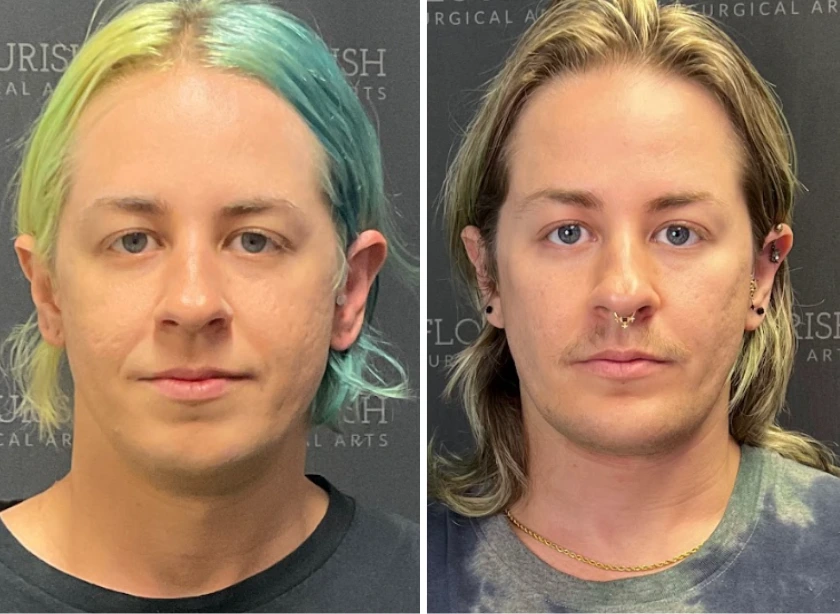
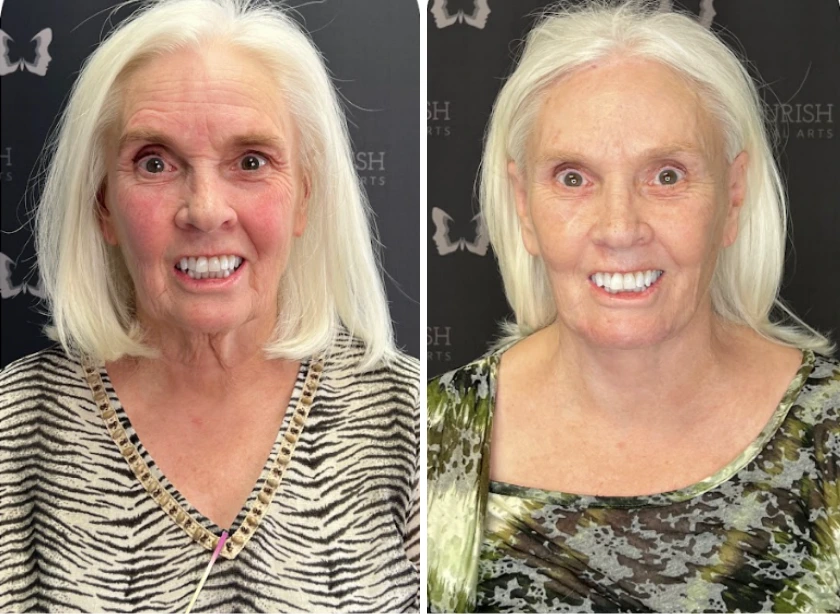
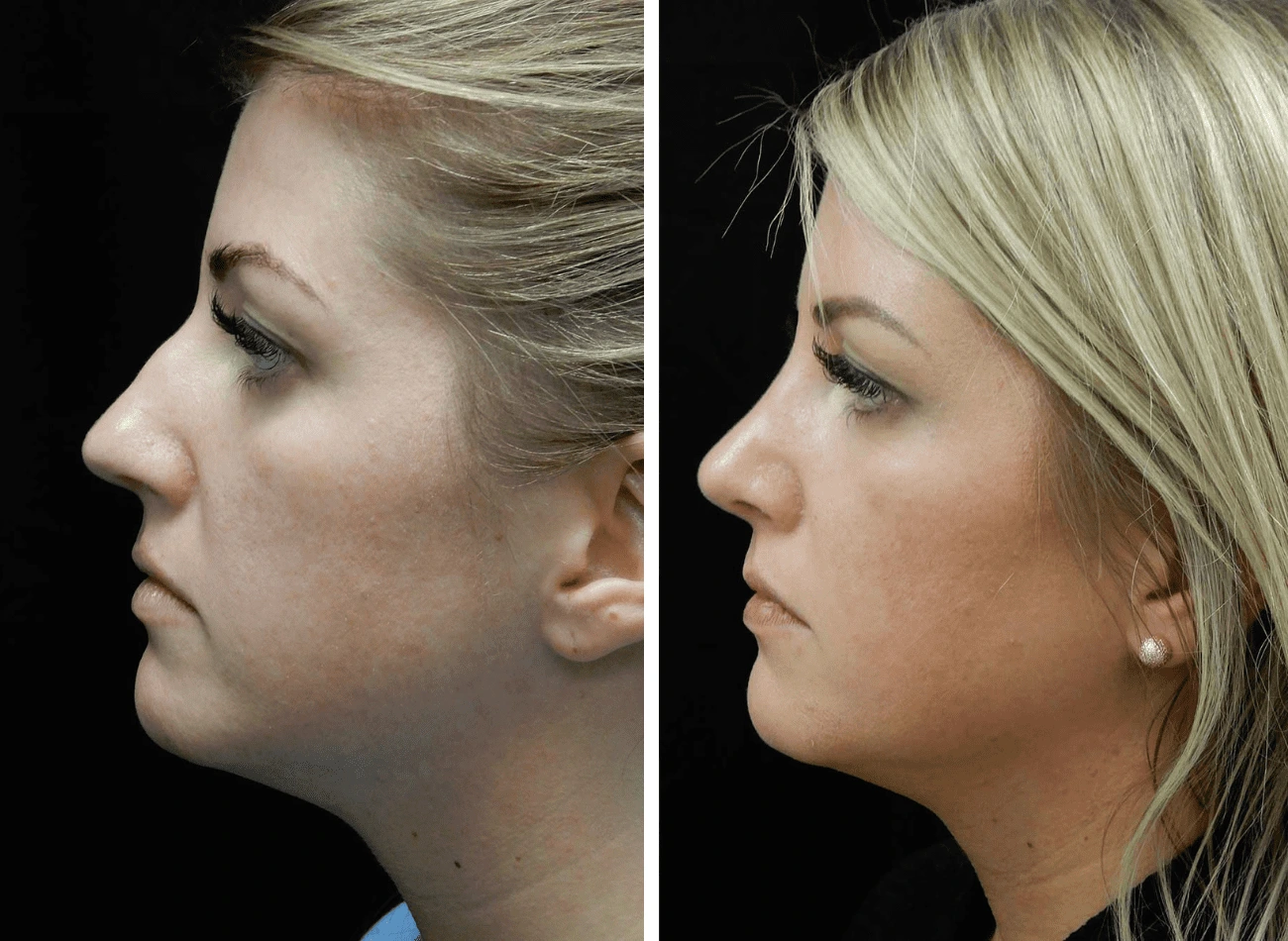
Facelift vs Dermal Fillers: What's the Real Difference?
At their core, these two treatments solve different problems, even though they’re often discussed in the same breath.
Dermal fillers are injectable gels – most commonly made from hyaluronic acid – that add volume, smooth lines, and restore youthful contours to areas like the cheeks, lips, under-eyes, and nasolabial folds. They work by physically plumping tissue that has thinned over time. The procedure takes under an hour, requires no anesthesia, and most people return to normal activity the same day or within a day or two.
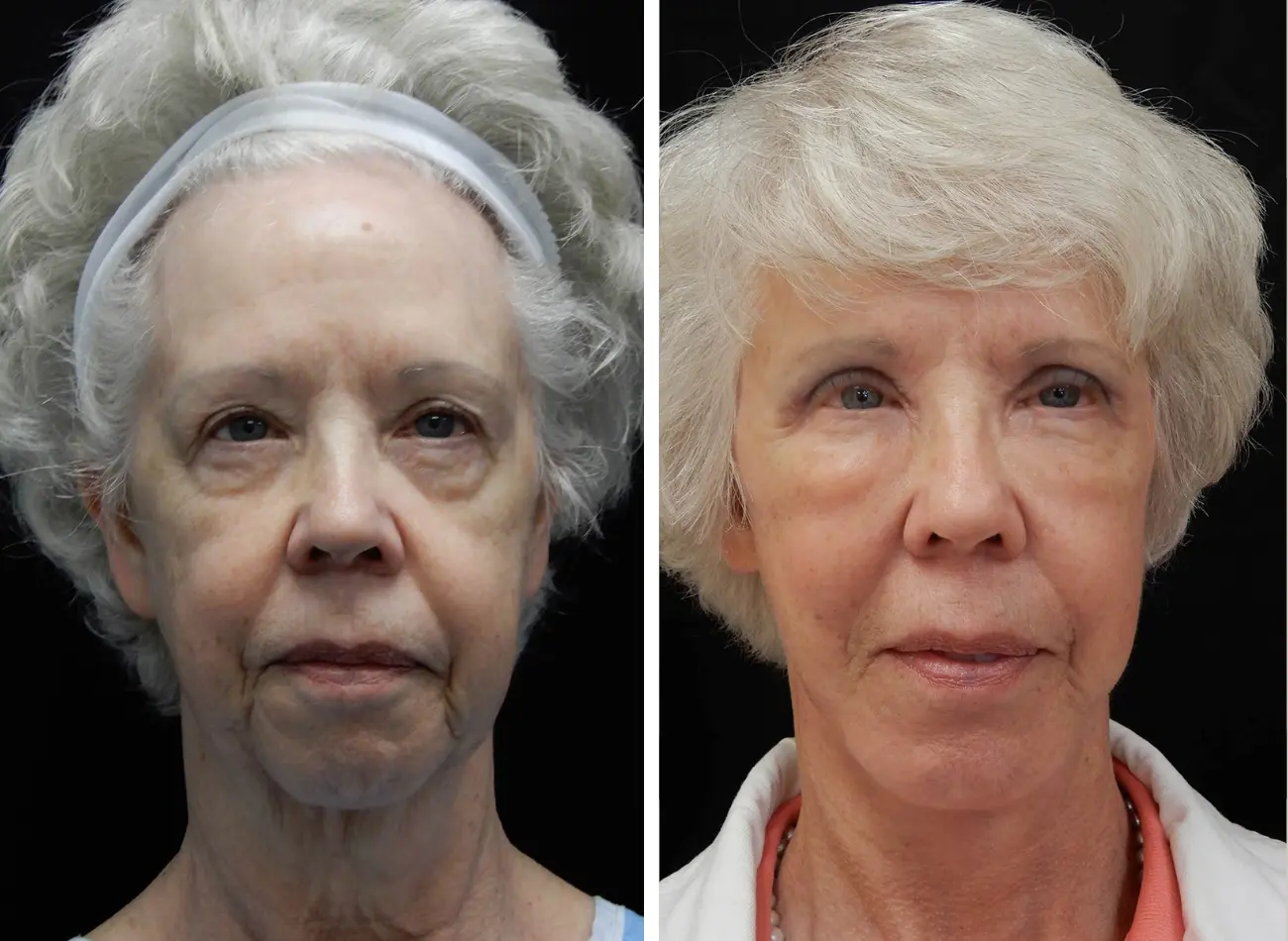
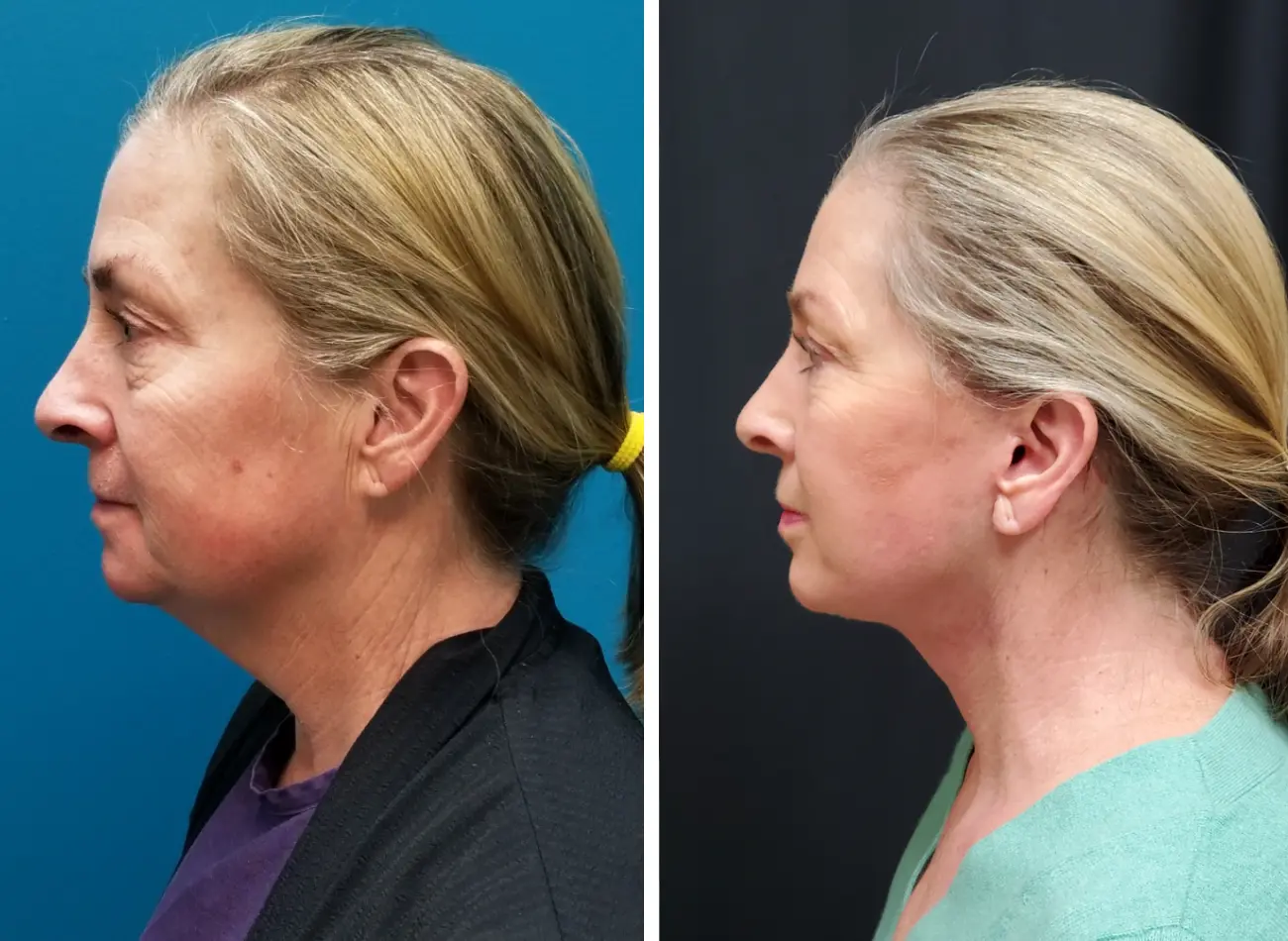
A facelift, by contrast, is a surgical procedure that repositions deeper facial tissues, removes excess skin, and tightens the underlying muscular structure. It addresses changes that no amount of filler can correct – namely, the structural sagging and skin redundancy that develops in the mid to lower face and neck as we get older. Recovery takes weeks, not days, and results last significantly longer.
Neither treatment is objectively better. They serve different stages of aging, and in many cases, they work best together.
Understanding Skin Laxity and Why It Matters
One of the most important concepts in any rejuvenation conversation is skin laxity – how loose your skin has become. This is a major deciding factor between non-surgical and surgical approaches.
When skin is mildly lax, you might notice slight softening along the jawline or subtle cheek descent. At this stage, fillers can restore volume and provide a gentle lifting effect that looks natural and refreshes your appearance. Many people in their late 30s and 40s fall into this category.
When skin laxity becomes moderate to severe – typically presenting as jowls, deep nasolabial folds, neck banding, or significant cheek descent – adding volume with fillers can actually work against you. Overfilling a face with significant laxity tends to create a puffy or distorted look rather than a youthful one. This is the point where surgical intervention genuinely delivers better outcomes.
A good way to self-assess: gently lift the skin along your jawline and cheek with your fingers. If that lift dramatically changes what you see in the mirror, you’re likely a better candidate for surgery than for fillers alone.
When Plastic Surgery Is the Right Call
The word “surgery” gives many people pause, and understandably so. But plastic surgery for facial rejuvenation has evolved significantly. Modern facelift techniques are far less about the “windswept” look of decades past and far more about restoring natural anatomy.
Candidates who tend to benefit most from surgical treatment include people who:
Have visible jowling or loss of jawline definition
Have excess or crepey neck skin
Have tried fillers and feel they’ve reached the limits of what injectables can achieve
Want results that last a decade rather than one to two years
Are in good overall health and can manage a recovery period of two to four weeks
It’s also worth noting that plastic surgery and fillers aren’t mutually exclusive. Many surgeons recommend a combined approach – surgery to address structural aging, and fillers or other injectables post-recovery to maintain and fine-tune results over time.
What Facelift Results Actually Look Like – and How Long They Last
One of the most common misconceptions is that surgical facelift results look dramatic or “done.” In skilled hands, the goal is the opposite. A well-executed facelift should make people say you look rested and refreshed, not that you’ve clearly had something done.
Facelift results typically last between seven and fifteen years, depending on your genetics, skin quality, sun exposure habits, and lifestyle factors like smoking. That’s a significant investment in your appearance, and for many patients, it changes the math considerably when compared with the cost and frequency of ongoing filler treatments.
Swelling and bruising in the first one to two weeks are normal and expected. Most patients feel comfortable returning to social settings within three to four weeks, and final results – once all swelling has resolved – are typically visible by three to six months post-surgery.
Building Your Anti-Aging Plan Around Your Real Goals
The most effective anti-aging strategy isn’t simply picking the most aggressive option available – it’s matching the treatment to the problem, the timeline to your lifestyle, and the investment to your goals.
If you’re in your 30s or early 40s with good skin elasticity and mild volume loss, a thoughtful filler program combined with neurotoxin (like Botox) and a solid skincare routine is often all you need. Starting early and maintaining consistently can actually delay the point at which surgery becomes relevant.
If you’re in your 50s or beyond and the mirror shows you changes that concern you daily, a surgical consultation is a worthwhile step – even if you ultimately decide it’s not for you right now. Knowing your options is never a commitment.
The most important variable in any anti-aging plan isn’t the treatment itself. It’s about choosing a board-certified practitioner who takes the time to understand your anatomy, your goals, and your long-term plan, rather than simply selling you the next appointment.
Putting Your Best Face First: How to Start
If you’re ready to take action, here’s a practical starting point:
Schedule a consultation with a board-certified plastic surgeon or dermatologist who offers both surgical and non-surgical options. A practitioner who only offers one type of treatment is more likely to recommend what they offer, not what you need.
Bring photos – both current ones and pictures of yourself from ten to fifteen years ago. This helps your provider understand how your face has changed structurally over time.
Be honest about your budget and recovery availability. A realistic conversation upfront saves disappointment later.
Ask about a staged plan. You don’t have to do everything at once. Many providers will map out a multi-year approach that balances results, recovery, and cost.
Book Your Facial Procedures at Flourish Surgical Arts
If you’re ready to take the next step toward a more youthful appearance, Flourish Surgical Arts is here to help you find the right path forward. Whether you’re exploring dermal fillers to address early signs of aging or considering facelift surgery to achieve longer-lasting results, our team will work with you to build a personalized plan that fits your goals and lifestyle.
Book your consultation at Flourish Surgical Arts today and take the first step toward looking as refreshed and confident as you feel.
Final Thoughts
Facial aging is a multi-layered process that affects your skin, fat pads, and underlying muscles simultaneously – and no single treatment addresses every aspect equally well. As the aging process continues, changes like turkey neck, marionette lines, and loose skin signal that the facial structure itself has shifted in ways that go beyond what injectables alone can correct. Treatments like fillers can temporarily smooth wrinkles and restore facial volume, while techniques like fat grafting offer a longer-lasting way to replenish areas that have hollowed over time. Understanding what’s actually driving the changes you see in the mirror is what makes the difference between a plan that works and one that simply delays the conversation.
Ultimately, the goal of any rejuvenation plan – surgical or not – is a natural appearance that reflects how you actually feel. If you’re managing mild concerns, consistent non-surgical maintenance may be all you need for years to come. But it’s worth factoring in the cumulative cost of ongoing treatments when weighing them against a longer-lasting surgical solution that restores a more youthful appearance at the structural level.
The right answer looks different for everyone, and the best place to find yours is in an honest consultation with a qualified provider who can assess your unique anatomy and help you plan ahead with confidence.