
 720-765-7214
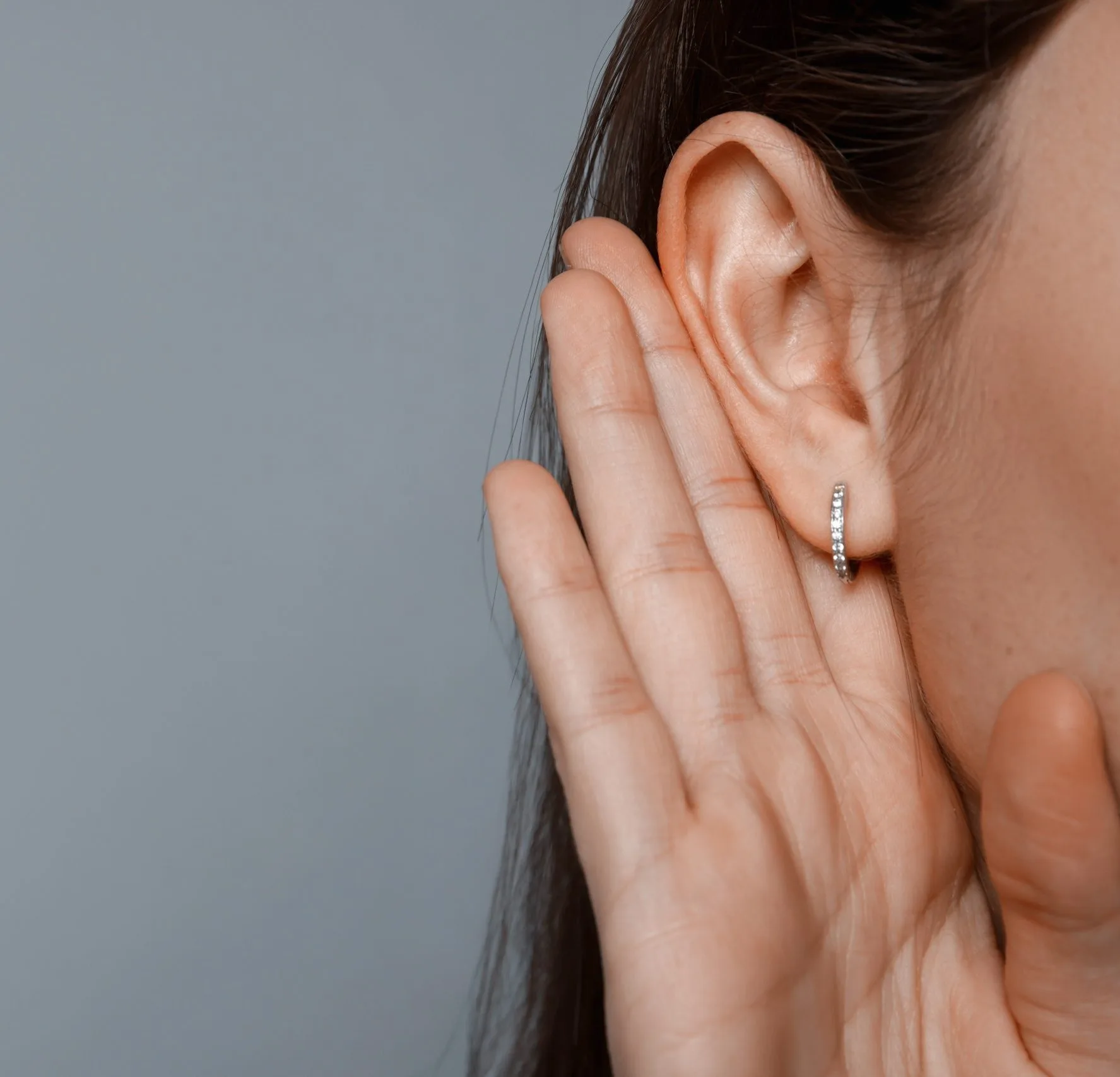
Can You Reshape Ears Without Surgery? Your Options
You can change the look of your ears without surgery in a few specific cases, but only up to a point. Newborns can have their ear shape corrected with molding during the first weeks of life. Adults with thin or deflated earlobes may benefit from dermal fillers. Taping and at-home devices give only temporary, cosmetic camouflage. For adults who want to change the cartilage itself, such as ears that stick out or have a folded shape, surgery is the only option that creates a lasting change. This article explains each option, what it can and cannot do, and how to decide which path fits your goals.
Ear Reshaping Without Surgery: An Overview
The answer depends on three things: your age, the part of the ear you want to change, and how long you want the result to last. The outer ear is made of two main parts. The upper and middle portions are shaped by firm cartilage covered in thin skin. The earlobe has no cartilage. It is made of soft tissue and fat.
This difference matters. Soft tissue can be plumped or supported without surgery. Cartilage in an adult holds its shape firmly. It springs back after pressure is removed. That is why most non-surgical methods work on the earlobe or in infants, while changes to the upper ear in adults usually require a surgical approach.
Understanding Ear Shape Concerns
Ear concerns tend to fall into a few common groups. Each one responds differently to treatment.
Prominent ears. These ears stick out farther from the head than the person would like. This is often caused by a missing fold in the cartilage or by a deep bowl of cartilage near the ear canal.
Asymmetry. One ear may sit higher, stick out more, or have a different shape than the other.
Folded or constricted ears. The top rim of the ear may fold over or appear tight and curled.
Stretched or torn earlobes. Heavy earrings, gauges, or an accidental pull can split or stretch the lobe.
Thin or deflated earlobes. With age, earlobes can lose volume and look wrinkled or droopy. Earrings may then tilt forward rather than sit straight.
Large earlobes. Some people feel their lobes are too long in proportion to the rest of the ear.
Knowing which group your concern falls into is the first step. A concern about cartilage shape calls for a very different plan than a concern about lobe volume.
Why People Want to Reshape Their Ears
The reasons are personal, and they vary widely. Some patients have felt self-conscious about prominent ears since childhood. Others notice a change later in life, such as a torn lobe from years of wearing heavy earrings or lobes that have thinned with age.
Many patients tell us they avoid certain hairstyles because they want to keep their ears covered. Some feel limited in the earrings they can wear. Others simply want their ears to look balanced with the rest of their face.
Ear reshaping can also be part of a larger facial plan. Patients considering a facelift or other facial procedures sometimes want their ears to match the refreshed look of their face. Whatever the reason, the goal is the same: a natural result that fits the person.
Non-Surgical Ear Reshaping: What Are Your Options?
Non-surgical options appeal to people who want to avoid an operation, skip downtime, or test a change before committing. These methods are real, but each has a narrow role. Understanding that role helps you set realistic expectations.
How Non-Surgical Ear Reshaping Works
Non-surgical methods work in one of three ways.
The first is reshaping soft cartilage over time. This only works when cartilage is still very flexible, which is the case in newborns. Gentle, steady pressure guides the cartilage into a new shape, and it holds that shape as it firms up.
The second is adding volume. Dermal fillers can be placed in the earlobe to restore lost fullness. This changes how the lobe looks and how earrings sit, but it does not change the cartilage.
The third is temporary repositioning. Tape, adhesives, and clips hold the ear closer to the head while they are worn. Once removed, the ear returns to its natural position.
None of these methods permanently change adult cartilage. That limit shapes everything else in this guide.
Types of Non-Surgical Treatments
Below are the main non-surgical approaches, along with what each one can realistically achieve.
Ear Molding and Splinting
Ear molding is the most effective non-surgical option, but it has a very short window. In the first few weeks after birth, a baby’s ear cartilage is soft and easy to shape. A small custom mold or splint is placed on the ear and worn for several weeks. The mold guides the cartilage into a more typical shape.
Molding can help with prominent ears, folded rims, and some other shape differences. Results are generally strongest when molding starts within the first few weeks of life. As the baby grows, the cartilage stiffens and molding becomes less effective. By the time a child is a few months old, the chance of success drops a great deal.
Ear molding for newborns is usually managed through the baby’s pediatric care team. For older children, teens, and adults, molding is not an effective way to change ear shape. Adult cartilage is too firm to hold a new form after the splint comes off.
Fillers and Injectable Treatments
Dermal fillers are the main non-surgical option for adults, and they work on the earlobe. Fillers are gels placed under the skin to add volume. At our medspa, we offer dermal fillers, including Restylane, for facial rejuvenation.
In the earlobe, filler can help in several ways:
Restore fullness to thin, deflated lobes
Smooth fine wrinkles on the lobe
Give earrings more support so they sit straight rather than tilting forward
Make a slightly stretched piercing hole look less obvious
Fillers cannot pin back prominent ears. They cannot fix a folded rim. They cannot repair a fully torn earlobe, because the tissue needs to be rejoined. They also cannot shorten a long earlobe. In fact, adding volume may make a large lobe look larger.
Some people ask whether Botox can change ear shape. Botox relaxes muscles. The muscles around the ear play almost no role in how the ear looks, so Botox is not a tool for ear reshaping. At our office, Botox is used for areas such as the forehead, the frown lines between the brows, crow’s feet, and the masseter muscles.
Taping and Other At-Home Methods
Many products promise to reshape ears at home. These include medical tape, skin adhesives, silicone ear correctors, and headbands worn at night.
These products can hold the ear closer to the head while they are in place. Some people use them for photos, events, or certain hairstyles. In that sense, they offer a form of temporary camouflage.
What they cannot do is change adult cartilage. Once the tape or device is removed, the ear moves back to its natural position. Wearing a device for weeks or months does not train adult cartilage to stay in a new shape.
Some at-home methods carry their own drawbacks. Adhesives can irritate the skin behind the ear. Tight headbands and clips can cause pressure marks or soreness. People with sensitive skin may find daily use uncomfortable.
At-home methods are viewed as a short-term cosmetic tool rather than a treatment.
Effectiveness and Limitations of Non-Surgical Approaches
Every non-surgical method has a clear limit. Knowing that limit up front saves time and frustration.
Who Is a Good Candidate?
The right candidate depends on the method.
Ear molding is suited to newborns, ideally starting within the first few weeks of life. It is not suited to older children or adults.
Earlobe fillers may suit adults who:
Have thin, flat, or wrinkled earlobes
Want earrings to sit more upright
Have a mildly stretched piercing that has not torn through
Want a change with no recovery time
Understand the result is temporary
Taping and devices may suit anyone who wants a short-term change for an event or photo, as long as they understand the ear returns to its usual position afterward.
People who are not good candidates for non-surgical options include adults with prominent ears, folded or constricted ears, fully torn earlobes, or lobes they want to make smaller. These concerns involve cartilage structure or the need to remove or rejoin tissue. Non-surgical methods are not designed to address them.
Expected Results and Duration
Results vary by method.
Ear molding in newborns can produce a lasting change when started early and worn as directed. The cartilage firms up in its new shape as the child grows.
Earlobe fillers produce a visible change right away. The lobe looks fuller and smoother after treatment. Because the body slowly breaks down filler over time, results are temporary. Patients who like the look usually need repeat treatments to keep it.
Taping and devices provide results only while they are worn. There is no lasting change once they come off.
A useful way to think about it: non-surgical options for adults either add volume to the lobe or hide the ear’s shape for a few hours. They do not rebuild the ear.
Fillers involve a needle, so some swelling, tenderness, or bruising at the injection site is possible. The earlobe is small, and the amount of filler used must be measured carefully to avoid a lumpy or overfilled look. Filler should be placed by a trained provider who understands facial anatomy. Patients should share their full health history, including allergies and medications, before any injection.
Taping and adhesives can cause redness, itching, or skin breakdown with repeated use. Stop using any product that causes pain or a rash.
At-home devices sold online are not designed for a specific person’s anatomy. Too much pressure can cause discomfort or marks on the skin.
Infant molding should always be guided by the baby’s care team. Parents should not try to make their own splints, as improper pressure can irritate a newborn’s delicate skin.
Safety comes first in every treatment we offer. A careful evaluation helps rule out options that are unlikely to work and focuses attention on the ones that can.
When Is Surgery Necessary?
Surgery becomes the right choice when the concern involves the structure of the ear. This includes cartilage shape, ear position, a full tear in the earlobe, or lobe size. In these cases, non-surgical methods can only hide the problem for a short time.
Overview of Surgical Ear Reshaping (Otoplasty)
Otoplasty is surgery that reshapes the ear. It is often called ear pinning when the goal is to bring prominent ears closer to the head. Otoplasty can also create a missing fold, reduce a deep cartilage bowl, improve symmetry between the two ears, and adjust the overall proportions of the ear.
Unlike non-surgical options, otoplasty changes the cartilage itself. That is why the results are designed to be long lasting.
For concerns limited to the lobe, earlobe repair is a separate, smaller procedure. It is used to fix torn or stretched lobes, including lobes stretched by gauges. It can also reduce the size of a lobe that feels too large. At our office, earlobe repair can be performed under local anesthesia with the patient awake, or under IV sedation with the patient asleep. Many patients choose to have their lobes re-pierced once healing is complete.
Dr. John R. Nesiba, our cosmetic surgeon, performs both otoplasty and earlobe repair. He holds triple board certification, has completed fellowship training, and has performed more than 1,000 cosmetic surgeries over seven years. He has also served as faculty at a university medical center, and his background includes facial reconstruction. His approach centers on understanding what each patient wants and creating results that look natural rather than overdone.
Comparing Surgical and Non-Surgical Methods
Here is how the options compare on the factors patients ask about most.
What they change. Non-surgical options for adults add volume to the earlobe or hold the ear in place temporarily. Surgery changes cartilage shape, ear position, and lobe size or structure.
How long results last. Fillers fade over time. Taping lasts only as long as it is worn. Infant molding can last when started early. Otoplasty and earlobe repair are designed to provide lasting results.
Downtime. Fillers typically involve little to no downtime. Taping has none. Surgery requires a healing period, which varies by procedure and person.
Which concerns they address. Fillers suit thin or wrinkled lobes. Surgery suits prominent ears, folded ears, asymmetry, torn lobes, and large lobes.
Commitment. Fillers let patients try a change without a permanent decision. Surgery is a bigger step with a lasting outcome.
Neither path is better for everyone. The right choice is the one that matches your concern and your goals. Some patients start with filler for lobe volume and later decide on surgery for a different concern. Others know from the start that only a structural change will satisfy them.
Choosing the Right Option for You
The most important step is matching the method to the problem. A treatment that works well for one concern may do nothing for another.
Consulting With a Specialist
A consultation is the clearest way to learn which options will work for your ears. During a consultation with Dr. John R. Nesiba, he listens to your goals, examines your ears, and reviews your health history with you. He then builds a personalized treatment plan.
You will leave knowing:
Whether your concern involves cartilage, soft tissue, or both
Whether a non-surgical option like filler can meet your goals
Whether surgery such as otoplasty or earlobe repair is a better fit
What results are realistic for your anatomy
What recovery may look like if surgery is part of the plan
Because Flourish Surgical Arts offers both surgical procedures and non-surgical treatments through our medspa, Dr. John R. Nesiba can discuss the full range of options in one place. You do not need to choose between a surgical office and a separate injectables office to compare paths. You can learn more about his background on our Our Doctor page.
Our team is trans-friendly, and we welcome patients of all backgrounds who are exploring changes to their appearance.
Factors to Consider
As you weigh your options, think through the following:
Your specific concern. Is it the position of your ears, the shape of the cartilage, a torn lobe, or lobe volume? This single question narrows your choices more than anything else.
How long you want results to last. If you want to try a subtle change first, filler may make sense for lobe concerns. If you want a lasting change to ear shape, surgery is the path that delivers it.
Your tolerance for downtime. Fillers fit easily into a busy schedule. Surgery requires time to heal, so plan around work, travel, and events.
Your age. For newborns, molding may be an option during a short early window. For adults, molding and at-home devices will not change cartilage permanently.
Your overall facial goals. If you are considering other facial treatments, it may make sense to plan your ear concern as part of a broader approach. Dr. John R. Nesiba can help you think through how different treatments work together.
Your comfort with maintenance. Fillers need repeat visits to maintain results. Some patients enjoy that flexibility. Others prefer a single procedure with a lasting outcome.
Realistic expectations. No treatment creates a perfect ear. The goal is a natural, balanced look that you feel comfortable with. A candid conversation about what is possible helps you choose a treatment you will be happy with over time.
Conclusion
The question at the heart of this guide, Can You Reshape Ears Without Surgery? Your Options, has a clear answer: only in limited ways. Newborns can benefit from ear molding in the first weeks of life. Adults can restore volume to thin or wrinkled earlobes with dermal fillers, and taping offers short-term camouflage. For prominent ears, folded cartilage, torn lobes, or large lobes, otoplasty or earlobe repair is the option that creates a lasting change. Dr. John R. Nesiba can evaluate your ears and help you choose the approach that fits your goals.

About the Author
Dr. John R. Nesiba
October 11, 2026
