 720-765-7214
Is Liposuction Better Than Tummy Tuck?
When it comes to achieving a flatter, more defined midsection, many people compare liposuction and tummy tuck surgery. Both are popular procedures that reshape the abdomen, but they work in different ways and deliver different types of results. Whether one option is “better” depends on your body type, your goals, and what you hope to change. Understanding how these two procedures differ can help you make an informed decision about which is right for you.

Understanding Cosmetic Surgery
Both liposuction and tummy tuck surgery fall under the category of cosmetic surgery, which focuses on enhancing appearance rather than addressing medical issues. These procedures are performed by trained surgeons who utilize advanced techniques to refine body contours and achieve a more balanced appearance. While they can both improve the shape of the abdomen, the best procedure for you depends on the condition of your skin, the amount of fat present, and your desired outcome.
Liposuction is designed to remove excess fat from targeted areas of the body, including the abdomen, hips, thighs, and back. It’s ideal for individuals with good skin elasticity who want to reduce localized fat pockets.
A tummy tuck, on the other hand, focuses on removing excess skin and tightening weakened abdominal muscles. This makes it particularly effective for those who have experienced significant weight loss or pregnancy-related changes.
Considering Body Mass Index
Your body mass index (BMI) plays a crucial role in determining whether liposuction or a tummy tuck is more suitable. BMI helps estimate your body fat level relative to your height and weight. Generally, liposuction is best suited for individuals who are close to their ideal body weight but have stubborn fat that does not respond to diet or exercise.
A tummy tuck may be recommended for those with a higher BMI or significant abdominal sagging, particularly when stretched or separated muscles contribute to a protruding belly. However, neither procedure is intended as a weight-loss solution. Both are considered contouring surgeries that fine-tune your body’s shape rather than drastically change your weight. Maintaining a healthy BMI before and after surgery supports better healing and long-lasting results.
How Each Procedure Works
Liposuction involves the use of a thin tube called a cannula to suction out fat through small incisions. The surgeon carefully shapes the area for a smoother, more proportionate contour. There are several variations of liposuction, including tumescent, ultrasound-assisted, and laser-assisted techniques, which enhance precision and reduce recovery time.
A tummy tuck, also known as abdominoplasty, is a more extensive surgery that involves a horizontal incision along the lower abdomen. Through this incision, the surgeon removes excess skin, tightens the abdominal muscles, and repositions the remaining tissue to achieve a firmer, flatter result. Depending on the extent of correction needed, patients may undergo a full, mini, or extended tummy tuck.
When You Need to Address Loose Skin
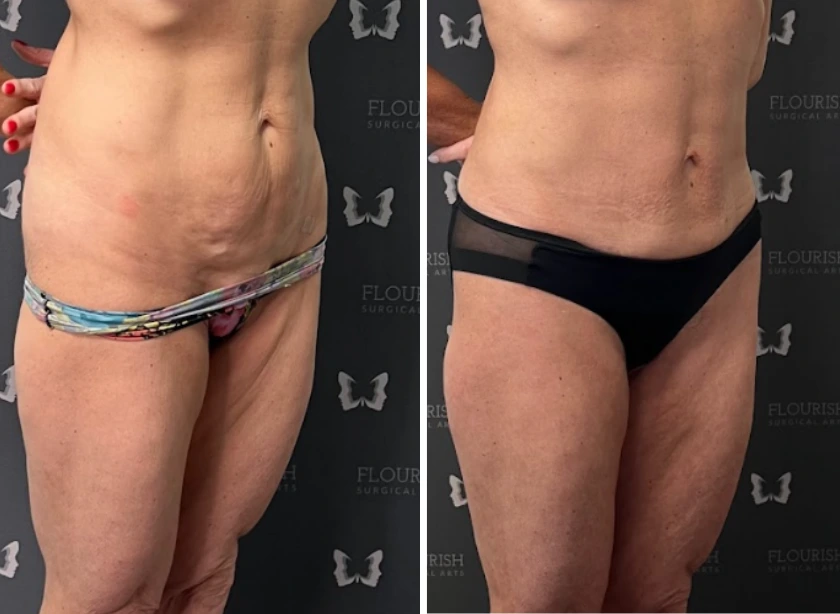
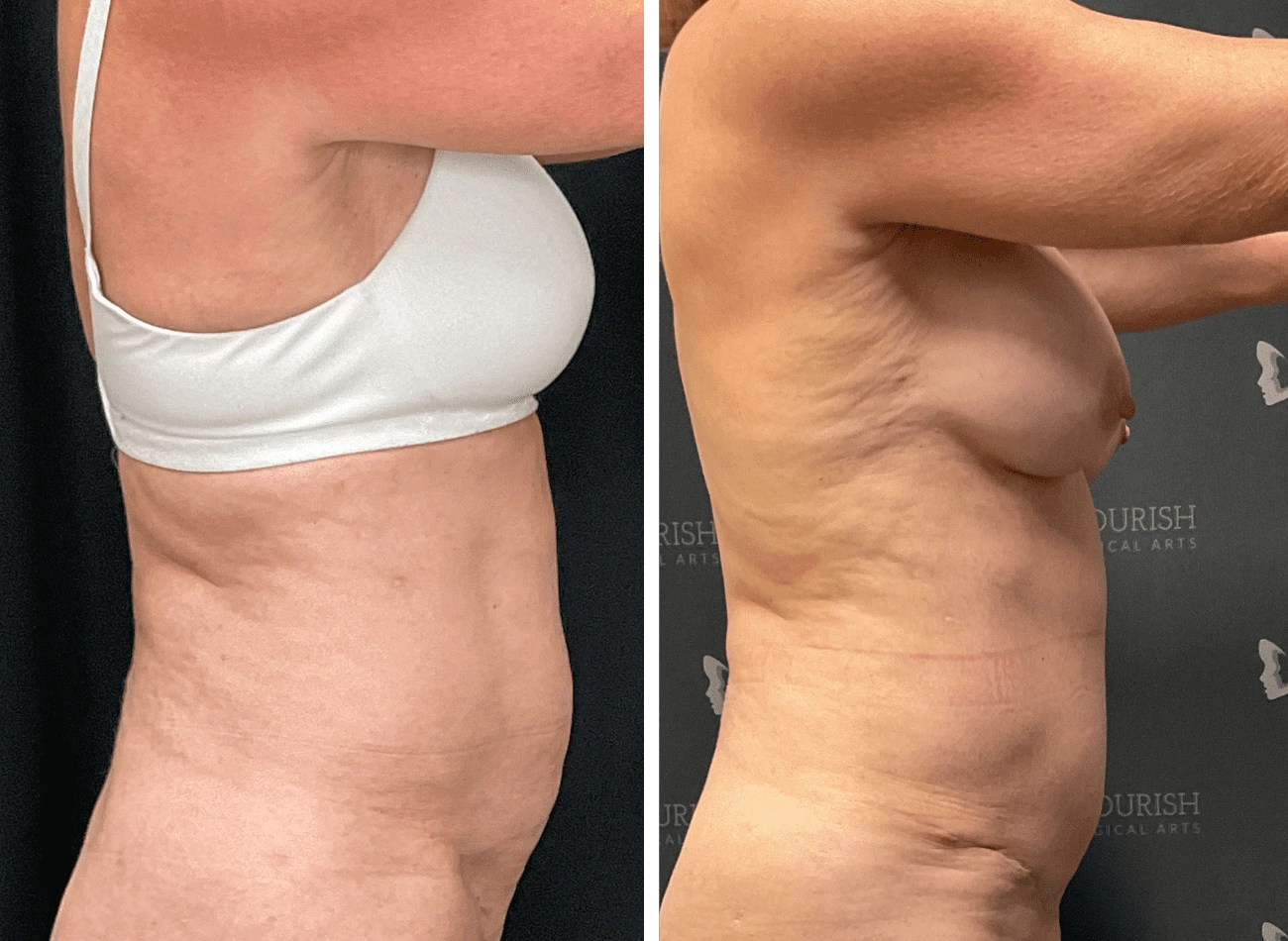
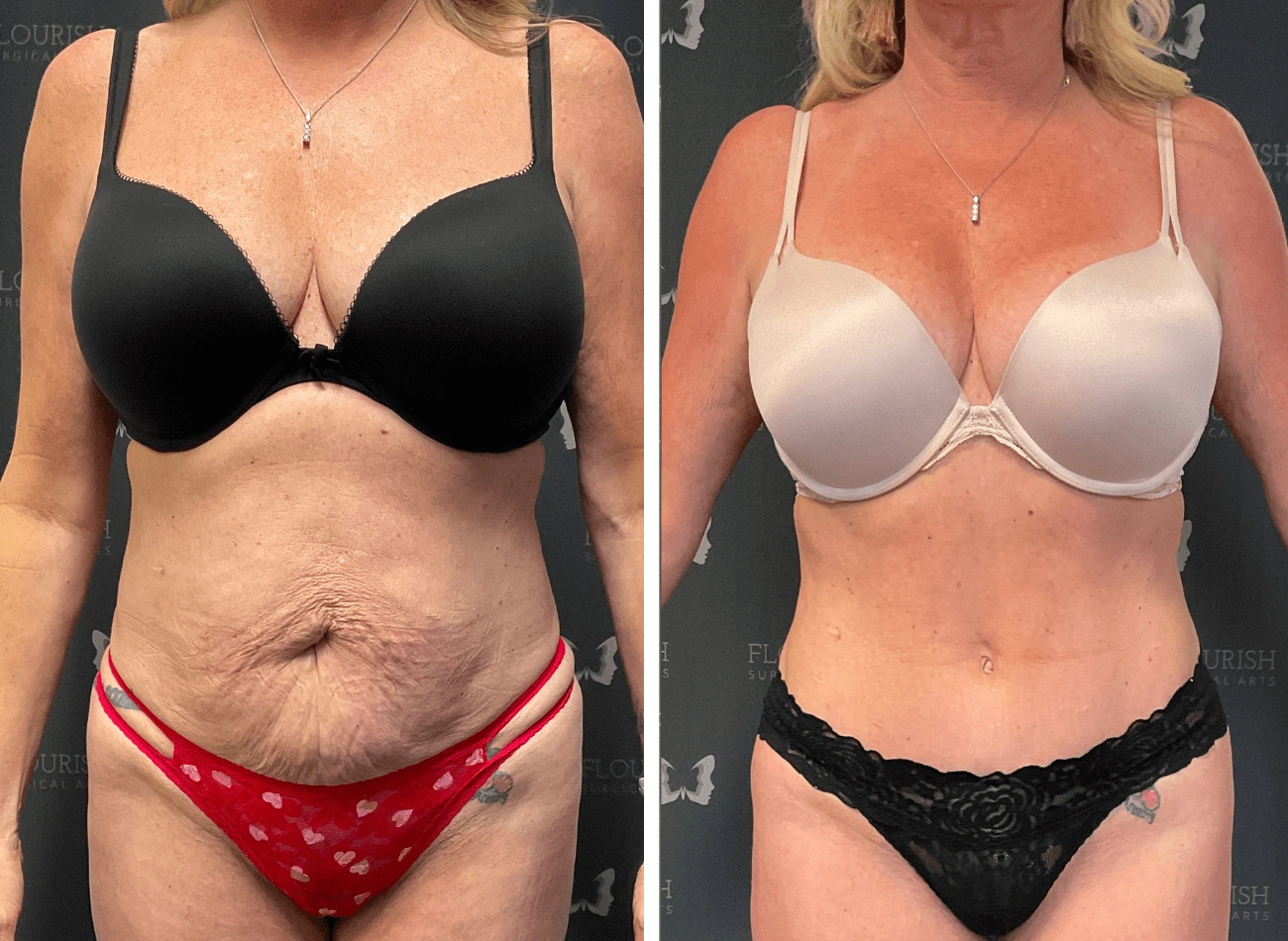
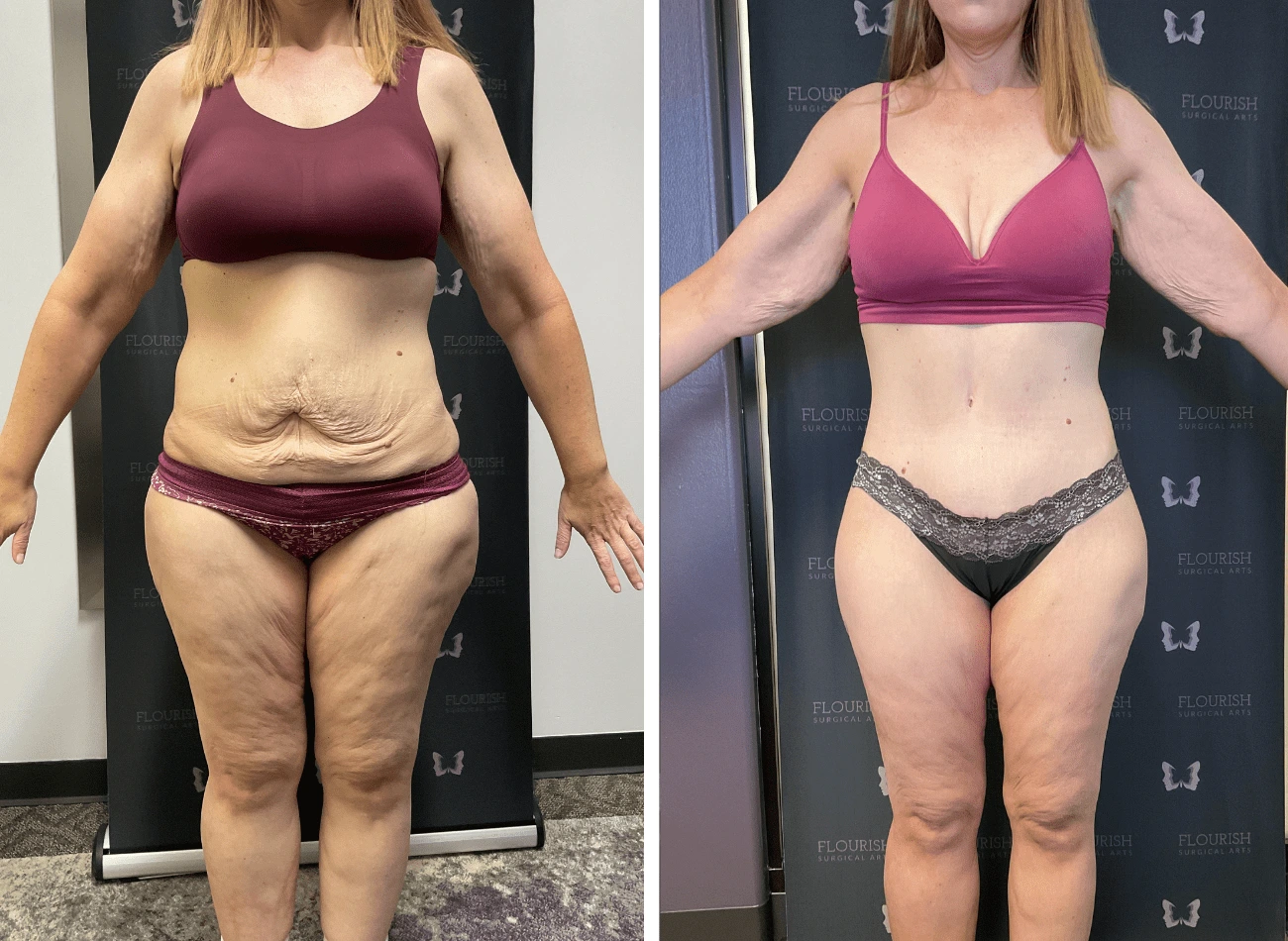
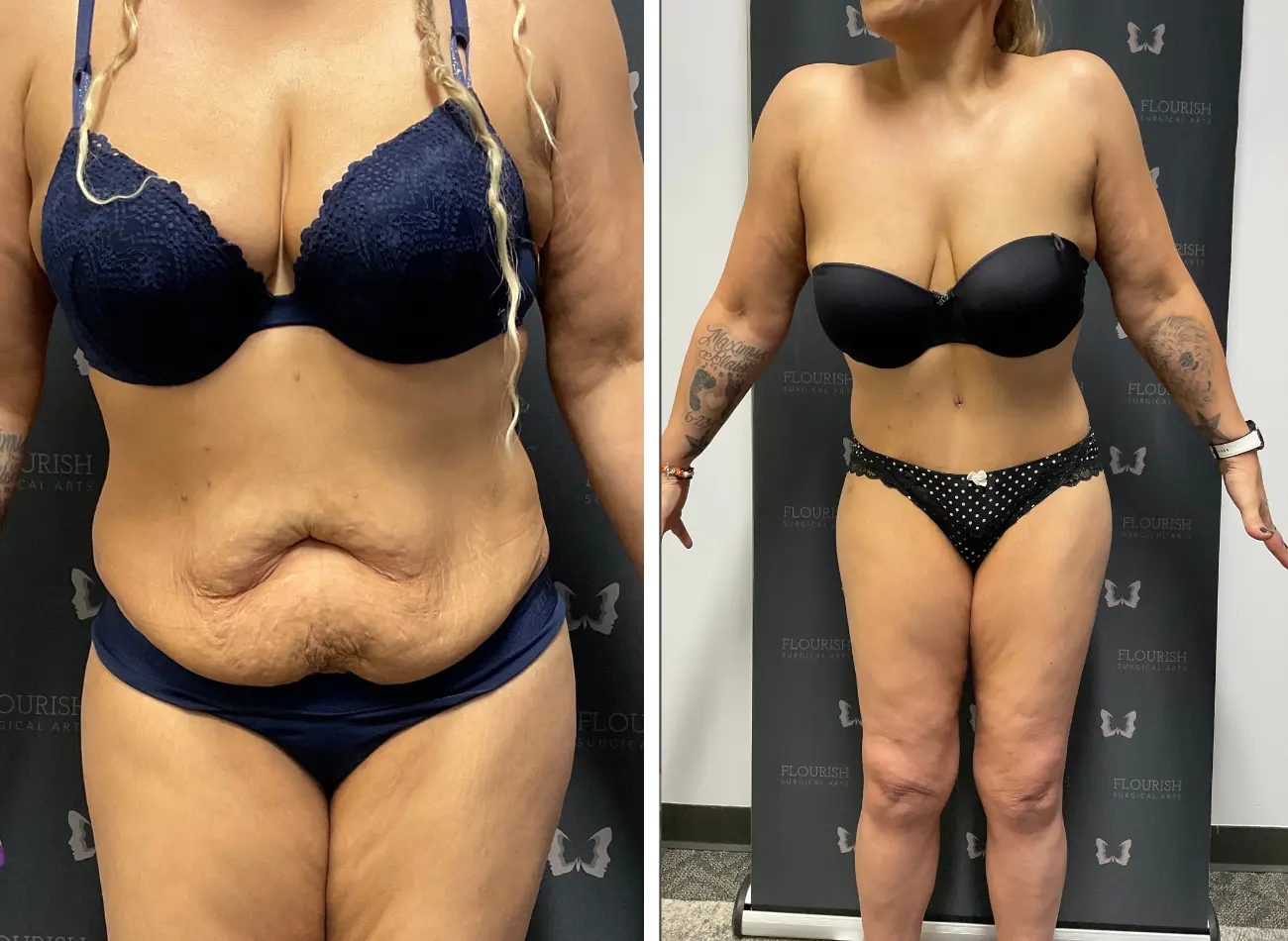
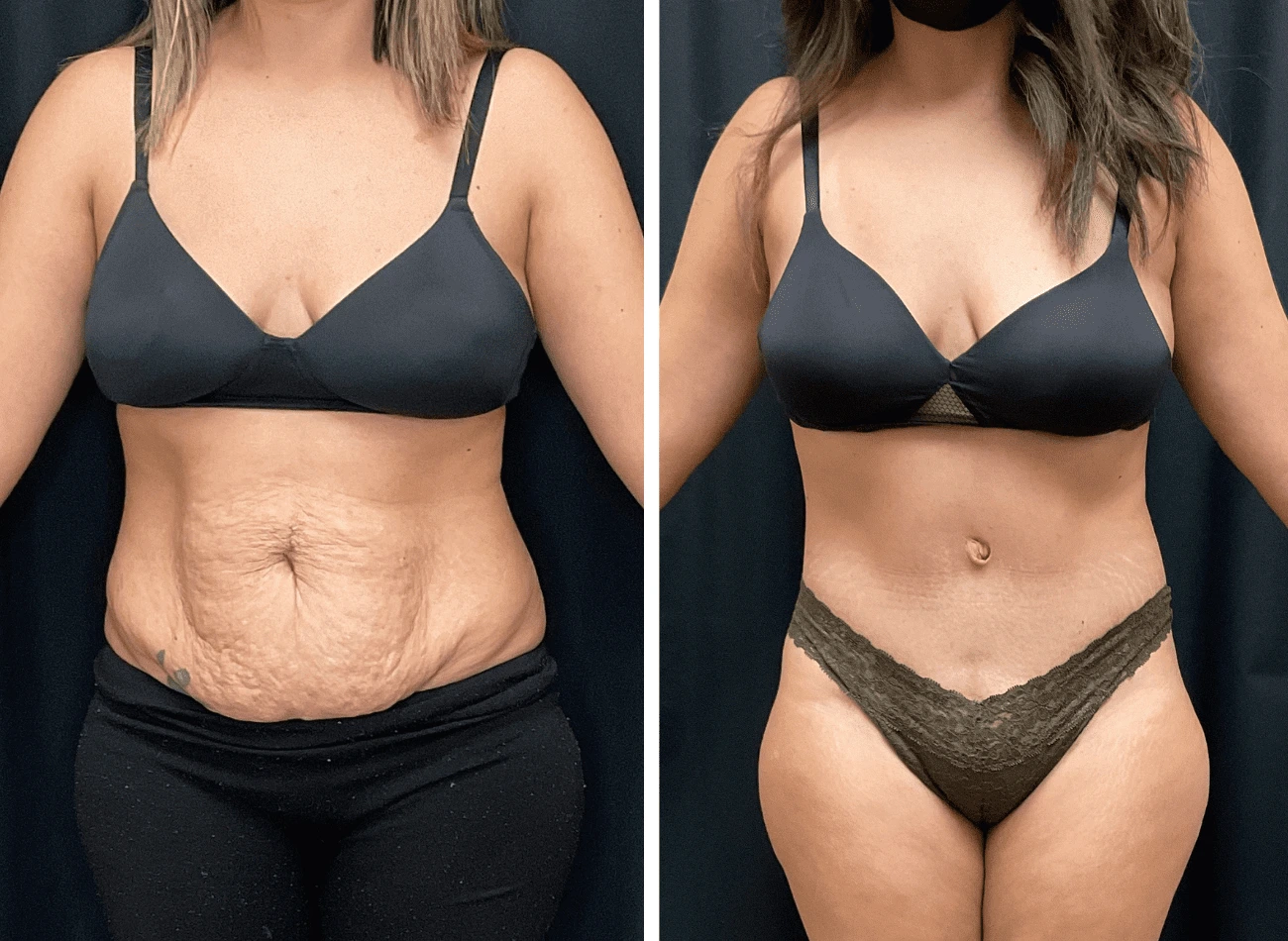
If your primary concern is sagging or stretched skin around the abdomen, a tummy tuck is often the preferred choice. After major weight loss or pregnancy, skin may lose its elasticity and fail to retract naturally. Liposuction can remove fat but does not address loose skin, which means that if excess skin is left behind, it may actually make the area appear less toned.
A tummy tuck removes this redundant skin and redefines the abdominal wall. It’s particularly effective for tightening separated muscles, known as diastasis recti, which often occurs after pregnancy. If your goal is to restore a smoother, more youthful contour and eliminate drooping, a tummy tuck provides the comprehensive correction that liposuction alone cannot achieve.
Choosing a Board-Certified Cosmetic Surgeon
No matter which procedure you’re considering, it’s essential to choose a board-certified surgeon. Board certification ensures that your surgeon has undergone specialized training, passed rigorous examinations, and adheres to the highest standards of patient safety and ethics.
A skilled surgeon can evaluate your anatomy, lifestyle, and goals to recommend the most suitable procedure – or combination of procedures – for you. Some patients benefit from having both liposuction and a tummy tuck in the same surgery. This approach can enhance overall contouring by removing fat and tightening the skin simultaneously. A consultation with a qualified surgeon will help you understand your options and what to expect during your recovery.
Combining Liposuction With Other Body Contouring Treatments
While liposuction is primarily used to remove fat, it’s also a key part of modern body contouring strategies. Many people choose to combine liposuction with other treatments to create a more harmonious figure. For instance, surgeons may perform liposuction in conjunction with a tummy tuck, thigh lift, or lower body lift to achieve a smoother overall silhouette.
Body contouring focuses on creating natural-looking proportions, rather than just slimming a single area. The goal is to ensure your abdomen, waist, and hips complement one another. When performed by an experienced surgeon, these procedures can help enhance your body’s definition while maintaining a balanced appearance.
What to Expect During Liposuction Recovery
Liposuction recovery tends to be shorter and less intensive than tummy tuck recovery, since the procedure does not involve muscle repair or extensive skin removal. Most patients can return to light activities within a few days and resume regular routines within a couple of weeks. Swelling and mild bruising are common initially but subside as the body heals.
Compression garments are usually recommended to support the healing process, minimize swelling, and help the skin conform to its new shape. While recovery varies for each person, following your surgeon’s aftercare instructions closely will ensure the best outcome. Staying active and maintaining a healthy diet also helps preserve your results.
Achieving Long-Lasting Liposuction Results
Liposuction results can be long-lasting when paired with a stable weight and healthy lifestyle. Once fat cells are removed, they do not regenerate; however, remaining fat cells can expand if you gain weight. This is why liposuction should be viewed as a contouring solution rather than a substitute for weight loss.
After liposuction, the treated area typically appears smoother and more sculpted. Full results become visible once the swelling has completely resolved, which may take several months. Maintaining consistent exercise habits and balanced nutrition helps prolong the effects of your procedure and keeps your figure looking toned.
How Future Pregnancies Affect Results
If you’re planning to have children in the future, it’s important to discuss this with your surgeon before scheduling any abdominal surgery. Future pregnancies can stretch the abdominal wall and skin, potentially reversing the results of a tummy tuck. In such cases, many surgeons recommend waiting until after you’ve finished having children to ensure long-lasting outcomes.
Liposuction is generally less affected by pregnancy since it targets fat removal rather than muscle tightening. However, post-pregnancy hormonal changes and weight fluctuations can still impact your body shape. For anyone planning a family, timing the procedure appropriately ensures that your results remain stable for years to come.
Defining Your Aesthetic Goals
Your aesthetic goals should guide the decision between liposuction and a tummy tuck. If your primary goal is to remove stubborn fat and refine contours, liposuction may be sufficient. If your goal is to tighten and flatten the entire abdominal area by removing excess skin and repairing muscle separation, a tummy tuck is the better option.
In some cases, combining the two procedures can deliver optimal results. For example, liposuction can sculpt the waist and flanks while the tummy tuck smooths and tightens the front of the abdomen. A clear discussion of your expectations with your surgeon will help create a personalized plan that aligns with your goals and body type.
Identifying Good Candidates
Good candidates for liposuction or tummy tuck surgery are individuals in good overall health with realistic expectations. Those considering liposuction should be close to their ideal body weight and have firm, elastic skin. Candidates for tummy tuck surgery often have excess skin or muscle laxity that cannot be corrected with exercise alone.
In both cases, non-smokers with stable weight and a commitment to maintaining healthy habits achieve the best long-term results. A consultation with a qualified cosmetic surgeon can confirm whether you meet the criteria for surgery and which approach best suits your needs.
Making the Right Choice for You
So, is liposuction better than tummy tuck? The answer depends entirely on your anatomy and goals. Liposuction is ideal for reducing fat and refining contours, while a tummy tuck is best for tightening skin and muscles for a more comprehensive transformation.
Both procedures offer excellent results when performed by a board-certified surgeon and followed by a healthy lifestyle. Whether you want subtle definition or a complete abdominal makeover, a personalized treatment plan will help you achieve a balanced, natural look that enhances your confidence and body shape.
Conclusion: Should You Choose Liposuction or Tummy Tuck?
Choosing between liposuction and a tummy tuck is a personal decision that depends on your anatomy, goals, and lifestyle. A board-certified plastic surgeon can evaluate your needs and recommend the best approach to help you achieve a flatter, more defined midsection. If you struggle with unwanted fat but have firm skin, liposuction may be enough to remove body fat and refine your contours. However, if you experience skin laxity or excess abdominal skin, a tummy tuck may provide more comprehensive improvement.
A mini tummy tuck can be an excellent option for those with mild laxity below the navel, while a full tummy tuck is better suited for patients with separated abdominal muscles or stretch marks caused by pregnancy or significant weight fluctuations. When comparing tummy tuck and liposuction, it’s important to remember that a tummy tuck addresses excess skin and tightens the abdominal wall, while liposuction focuses solely on fat reduction.
Both procedures fall under the field of plastic surgery and can produce transformative outcomes when carefully planned and performed by an experienced surgeon. With realistic expectations, proper aftercare, and a commitment to maintaining a healthy lifestyle, your tummy tuck results can be long-lasting, restoring confidence and redefining the contours of your body.